
Services
At Mt Tam Sport & Spine we strive to know all of our patients and athletes individually. We want to who you are and what is important to you. With this in mind, your goals become our goals and we work together with you to help keep you doing the things you love.
SPORTS CHIROPRACTIC
Sports chiropractic is a movement-based approach to diagnosing, treating, and preventing musculoskeletal injuries, especially those involving the extremities, soft tissues, and biomechanics of active individuals. While spinal care remains important, sports chiropractic places major emphasis on shoulders, hips, knees, ankles, feet, elbows, and other regions commonly affected by training, sport, and repetitive stress.
Treatment looks beyond the site of pain to identify movement restrictions, compensation patterns, mobility deficits, strength imbalances, and faulty mechanics contributing to injury or reduced performance. Care may include joint adjustments, soft tissue therapies, rehabilitation, movement retraining, shockwave therapy, taping, and performance-focused exercise. The goal is not only symptom relief, but restoring efficient movement, improving resilience, and helping patients return to activity at a higher level.
SHOCKWAVE THERAPY
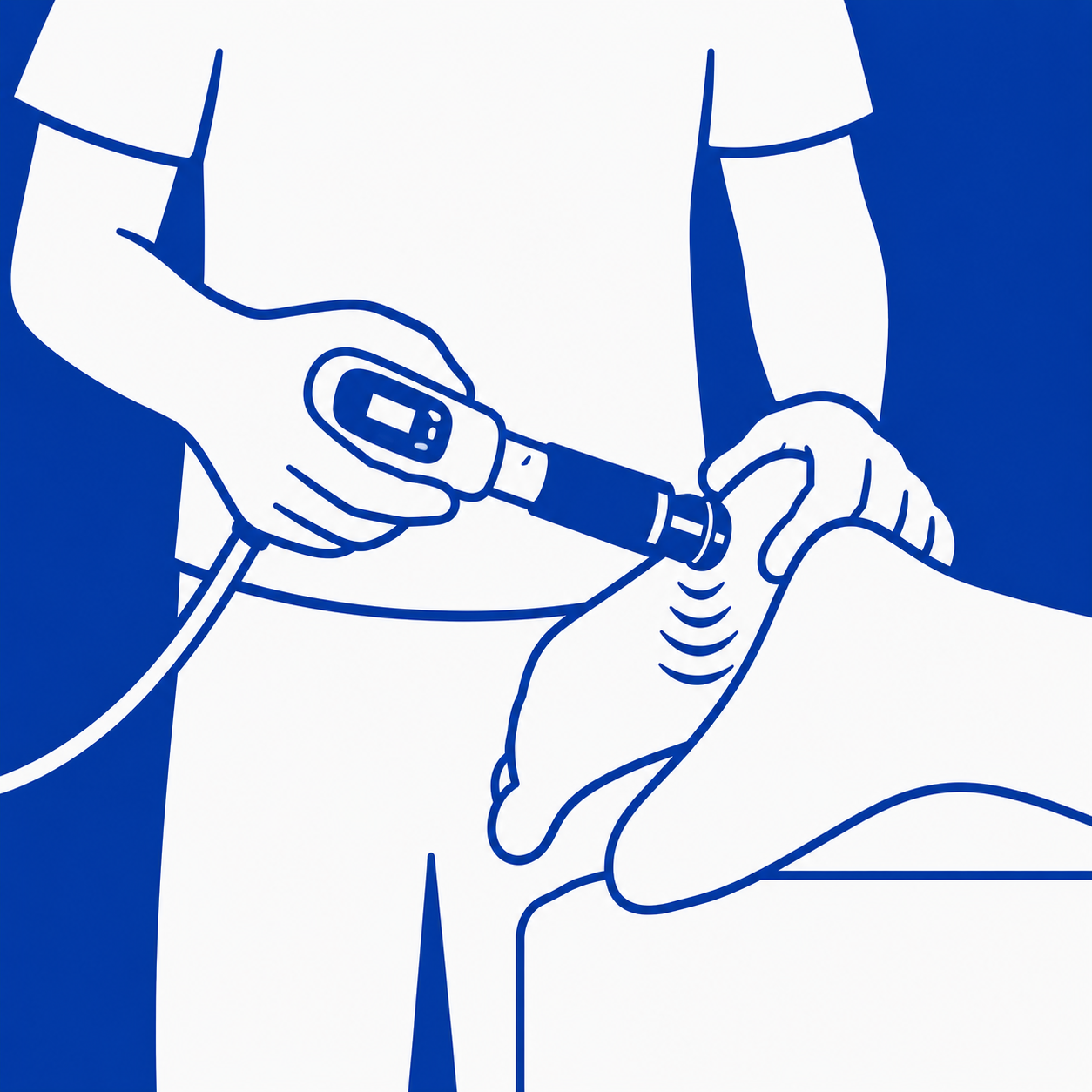
Shockwave therapy is a non-invasive treatment that uses directed sound waves to stimulate tissue healing and reduce pain in muscles, tendons, and joints. It boosts blood flow, increases collagen production, and lowers inflammation—key for repairing injuries like plantar fasciitis, tendinitis, and shoulder issues. Shockwave therapy can be used for injuries throughout the body.
During treatment, a handheld device sends sound waves into the injured area. Sessions are typically spaced over several weeks. Some mild discomfort may occur, but side effects are minimal. Many patients see reduced pain and better mobility, making it a popular choice over surgery or medication.
DYNAMIC MOTION THERAPY ACTIVE RELEASE (DMT|ART)
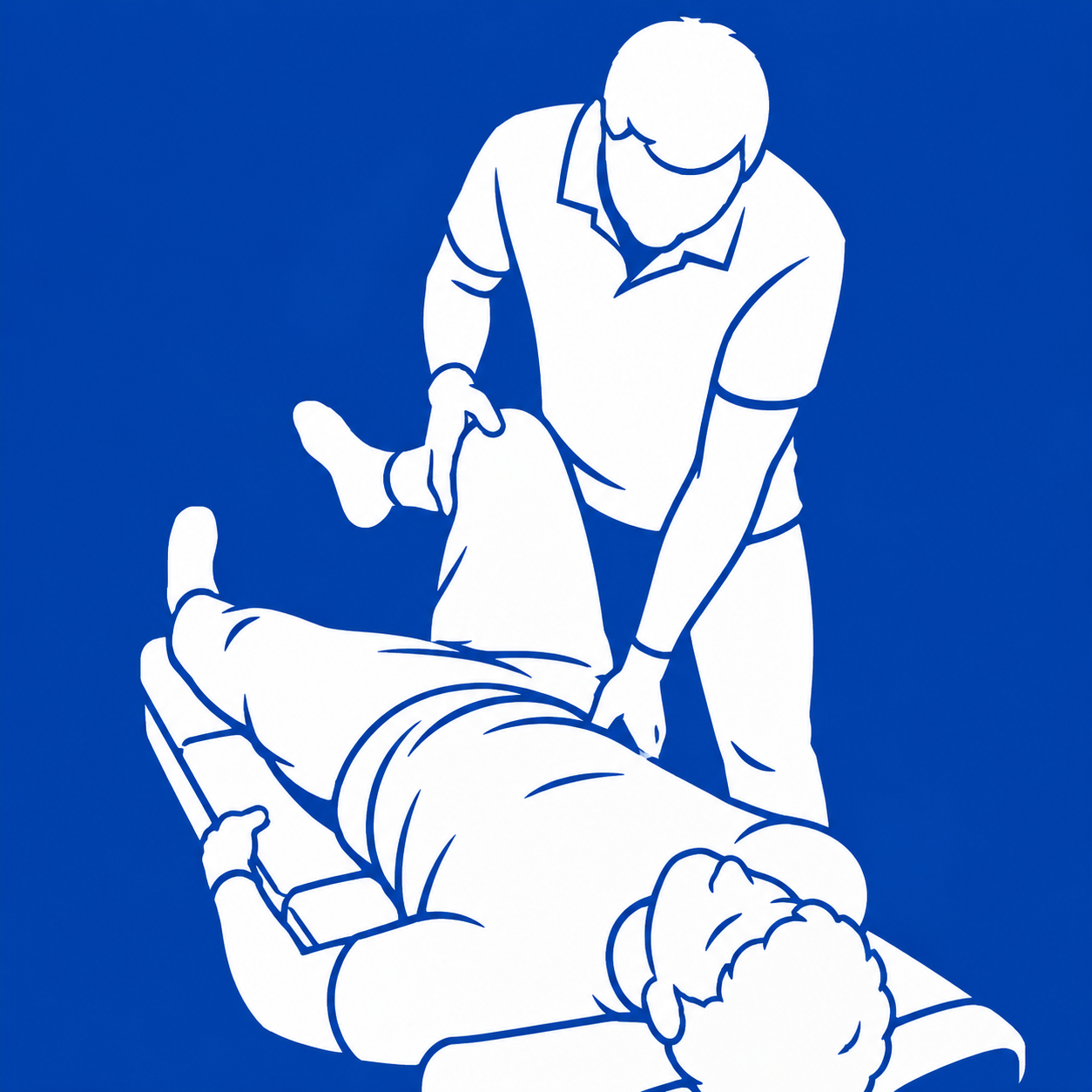
DMT/ART is an advanced soft tissue treatment used to break down scar tissue, adhesions, and movement restrictions within muscles, tendons, fascia, ligaments, and nerves. The clinician applies precise tension to the affected tissue while the patient actively moves through specific ranges of motion to restore mobility and function.
This approach is highly effective for overuse injuries, chronic tightness, nerve entrapments, and movement-related pain patterns commonly seen in athletes and active individuals. By improving tissue quality and restoring normal movement mechanics, DMT/ART helps reduce pain, improve performance, and speed recovery.
GRASTON | ROCKBLADES | IASTM (Instrument Assisted Soft Tissue Mobilization)
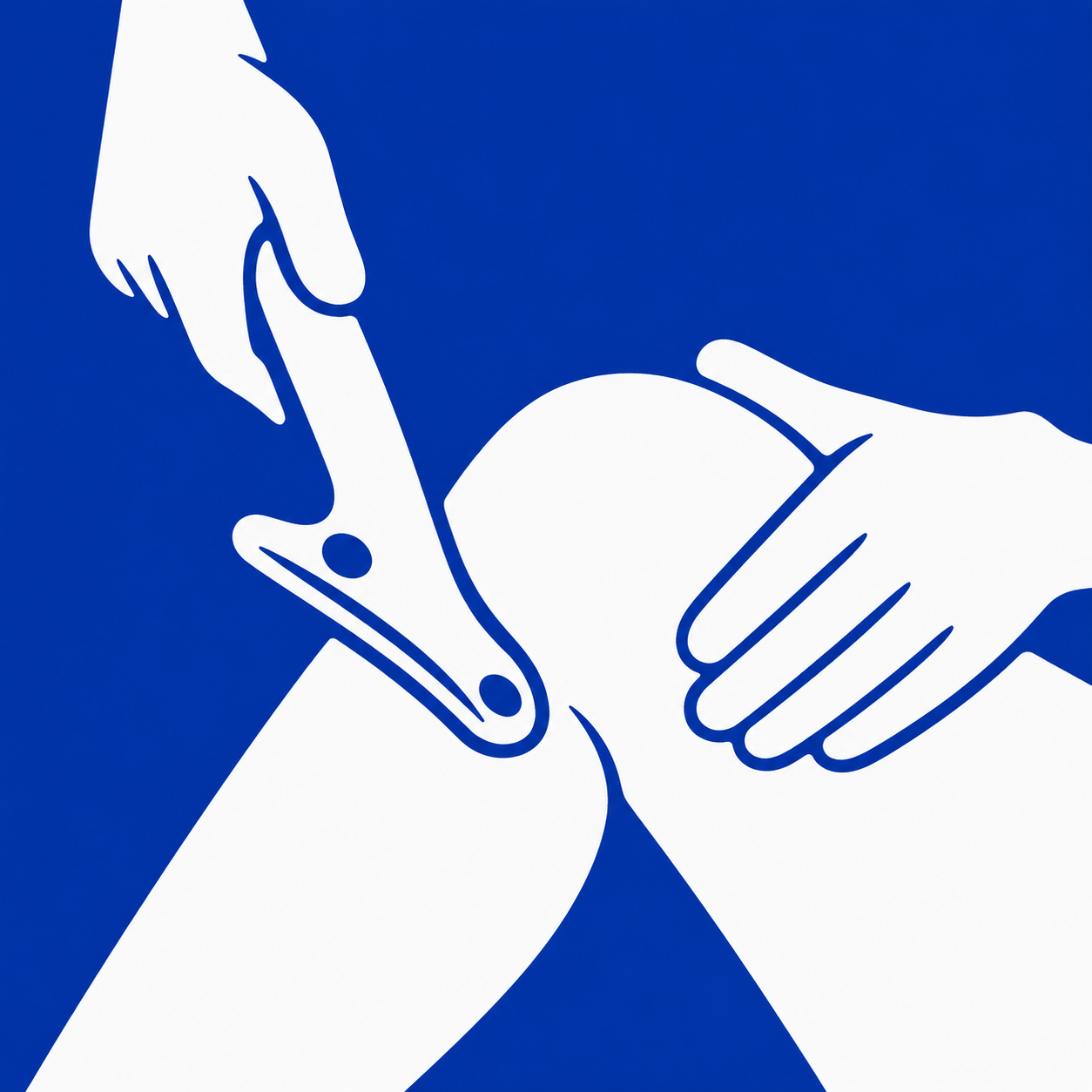
Instrument Assisted Soft Tissue Mobilization (IASTM) techniques such as Graston and Rockblades use specialized stainless steel instruments to detect and treat areas of scar tissue, fascial restriction, and chronic soft tissue dysfunction. These tools allow targeted treatment of tissues that may be difficult to address manually.
IASTM is commonly used for tendinopathies, muscle tightness, mobility restrictions, and chronic overuse injuries. Treatment helps improve tissue mobility, reduce pain, stimulate healing, and restore normal movement patterns without the need for aggressive force.
ADJUSTMENTS
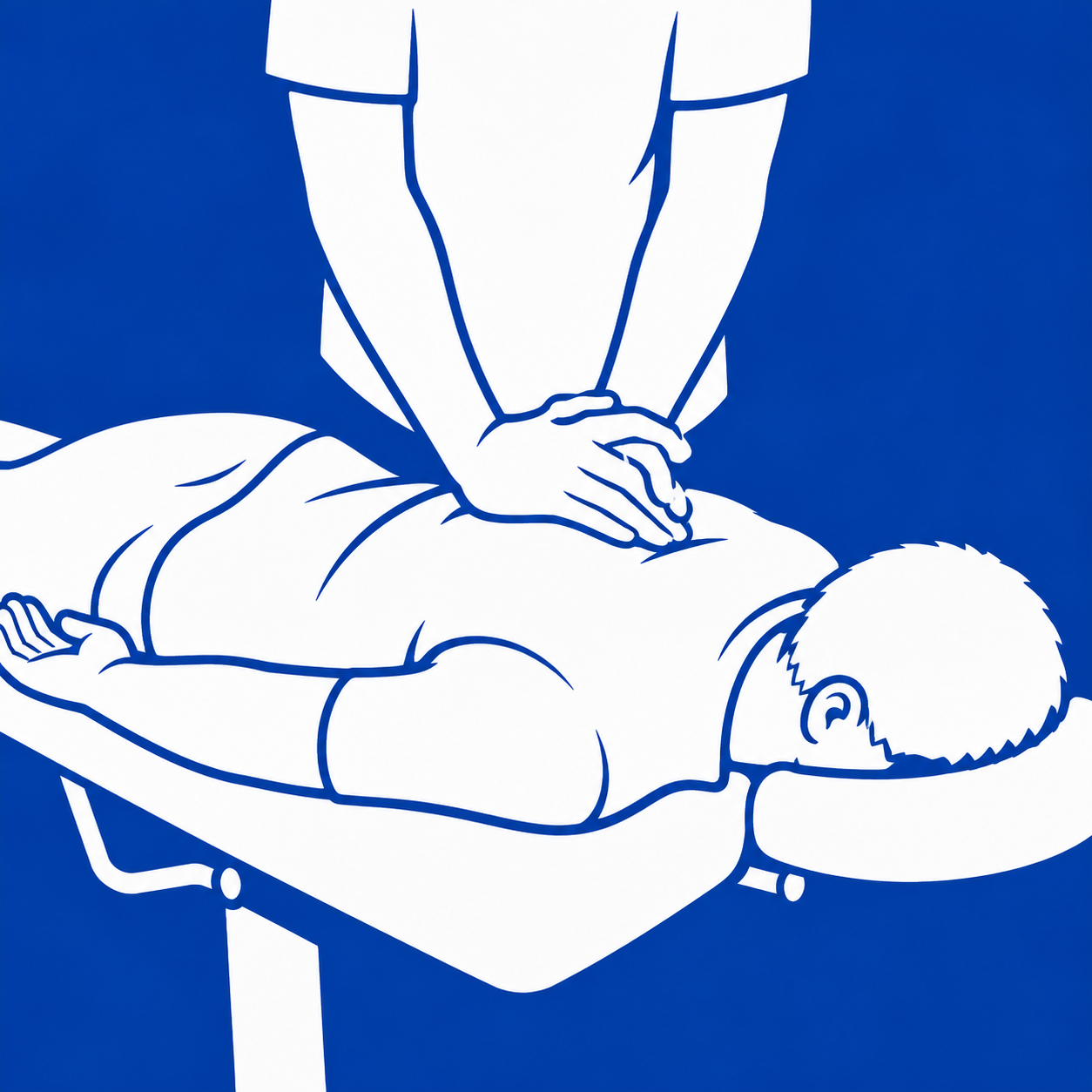
Chiropractic adjustments are precise joint mobilization techniques used to restore motion, reduce pain, and improve function in restricted joints throughout the body. While commonly associated with the spine, sports chiropractic adjustments frequently address the shoulders, ribs, hips, knees, ankles, feet, wrists, and other extremity joints involved in athletic movement.
Restricted joint mechanics can alter movement efficiency, increase stress on surrounding tissues, and contribute to pain or injury. Adjustments help restore normal motion and are often combined with soft tissue therapy and rehabilitation for more complete and lasting results.
CORRECTIVE EXERCISES | THERAPEUTIC EXERCISE AND REHABILITATION
Corrective exercise and rehabilitation help restore strength, stability, mobility, and coordination after injury. Treatment is individualized to address the underlying movement dysfunctions contributing to pain, compensation, or poor performance rather than simply treating symptoms alone.
Programs may focus on mobility, balance, core control, muscular activation, tendon loading, running mechanics, or sport-specific movement patterns. The goal is to improve resilience, restore confidence in movement, and reduce the likelihood of reinjury.

BIOMECHANICAL MOVEMENT EVALUATION
Biomechanical movement evaluation analyzes how the body moves during sport-specific and everyday activities. This assessment helps identify movement compensations, mobility restrictions, stability deficits, and inefficient mechanics that may be contributing to pain, injury, or decreased performance.
Evaluation may include gait analysis, squat mechanics, balance testing, running form assessment, mobility screening, and functional movement testing. Findings are used to guide treatment, exercise selection, and long-term performance strategies.

RUNNING FORM ANALYSIS
Running analysis uses video assessment to evaluate movement mechanics, loading patterns, stride efficiency, and potential contributors to running-related injuries. Real-time and slow-motion review help identify issues involving cadence, foot strike, posture, hip stability, and force transfer.
Footwear evaluation ensures running shoes match an individual’s biomechanics, training demands, and injury history rather than following generic trends. Together, these assessments help improve efficiency, reduce injury risk, and support long-term performance.
KINESIOLOGY TAPING – ROCKTAPE | KINESIOTAPE
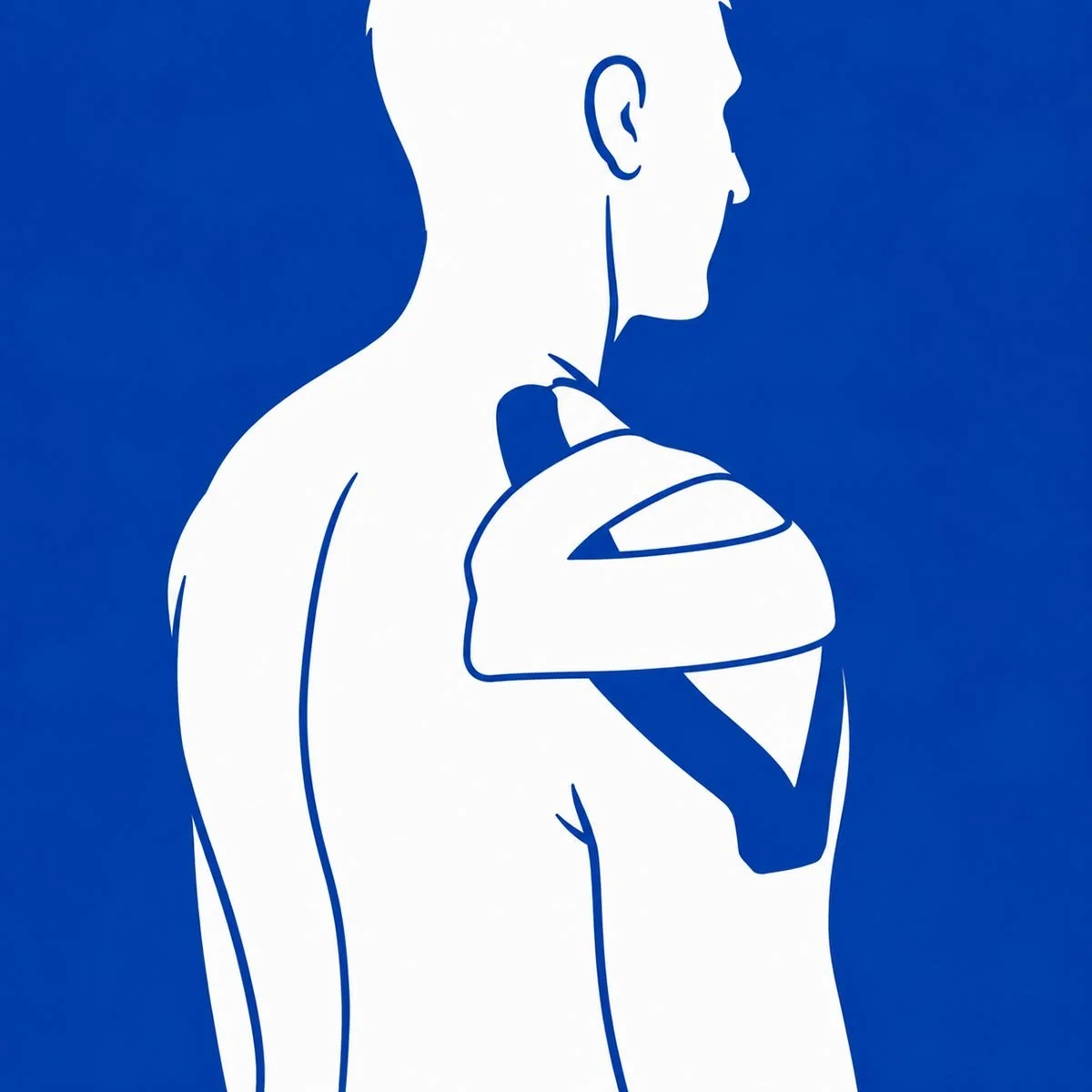
Kinesiology taping is used to support injured or overworked muscles and joints while allowing normal movement. Rocktape is designed for high-performance activity and provides durable support for athletes and active individuals during training, recovery, and competition.
Taping may help reduce pain, improve proprioception, decrease swelling, and reduce stress on irritated tissues without limiting mobility. It is commonly used alongside rehabilitation and manual therapy to support movement and recovery.
MYOFASCIAL
DECOMPRESSION | CUPPING
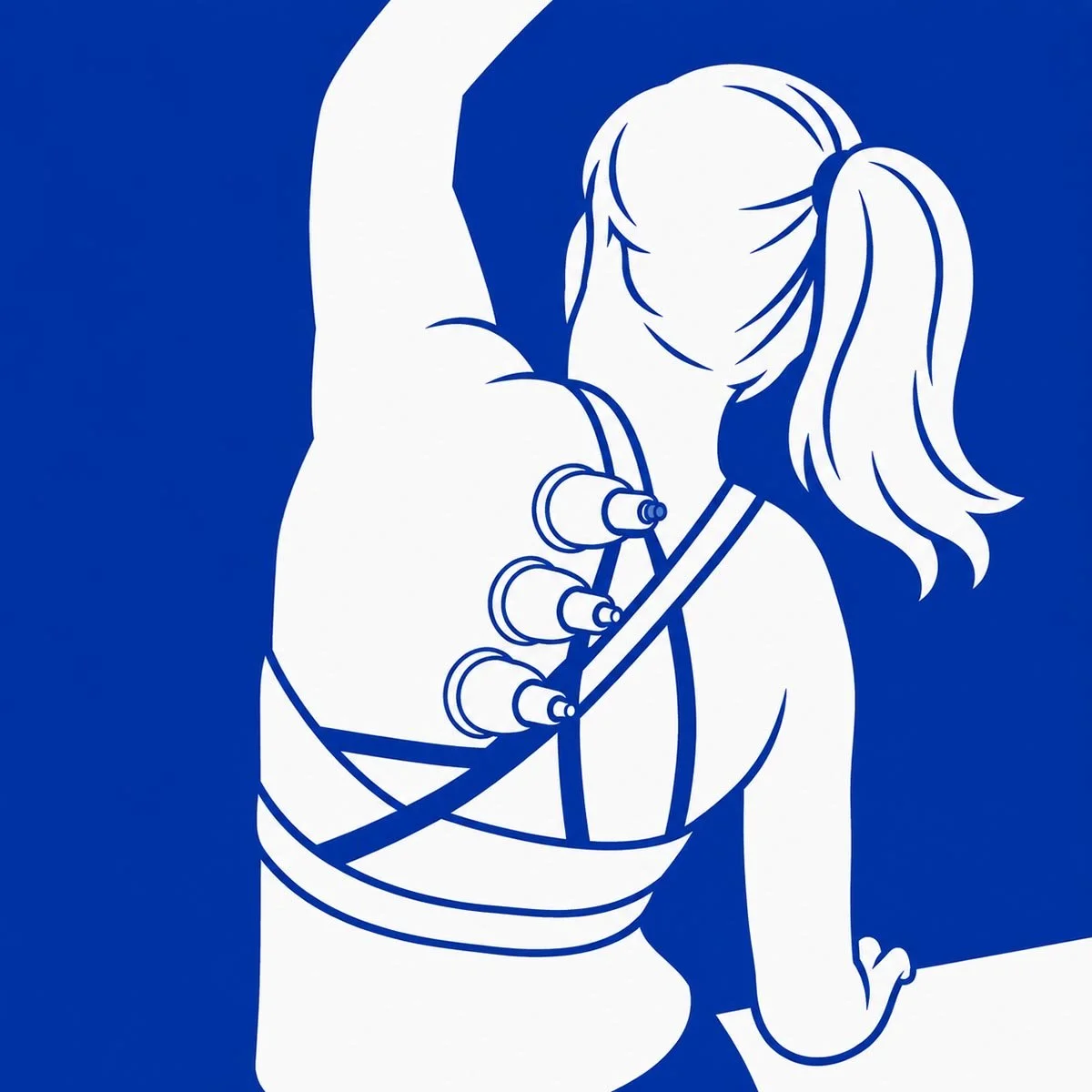
Myofascial decompression, commonly known as cupping, uses negative pressure to lift and decompress soft tissues rather than compress them. This technique helps improve tissue mobility, circulation, and movement quality while reducing muscular tension and fascial restriction.
Cupping is often used to address chronic tightness, movement restrictions, scar tissue, and recovery demands from training or repetitive activity. It can be an effective complement to soft tissue therapy, mobility work, and rehabilitation.

CUSTOM FOOT ORTHOTICS
Custom orthotics are designed to improve foot mechanics, stability, and force distribution during standing, walking, and athletic movement. Because the feet serve as the foundation of the body, abnormal mechanics can contribute to stress and compensation patterns affecting the ankles, knees, hips, and spine.
Orthotics may be recommended when movement dysfunction persists despite rehabilitation and strength work alone. Our orthotics are cast in a neutral, non-weight-bearing position to provide more accurate support and biomechanical correction tailored to the individual.