
News
📣 Movement Myth-Busting: “Never Let Your Knees Go Over Your Toes?" Not So Fast…
For decades, a popular fitness rule has echoed through gyms, clinics, and locker rooms: “NEVER let your knees go past your toes.” It sounds protective and well-intentioned — and in some contexts, it was meant to prevent excessive strain on the knees. But as we’ve advanced in our understanding of human movement, biomechanics, and injury prevention, it’s time to reframe this old advice.
📣 Movement Myth-Busting: “Never Let Your Knees Go Over Your Toes”? Not So Fast…
For decades, a popular fitness rule has echoed through gyms, clinics, and locker rooms:
“NEVER let your knees go past your toes.”
It sounds protective and well-intentioned — and in some contexts, it was meant to prevent excessive strain on the knees. But as we’ve advanced in our understanding of human movement, biomechanics, and injury prevention, it’s time to reframe this old advice.
✅ The Truth: Yes, Your Knees Can Go Past Your Toes — and Often Should
Let’s be clear: in natural, healthy human movement, the knee going over the toe is not only safe — it’s normal.
In fact, it’s essential for:
Walking down stairs
Running, sprinting, and cutting in sport
Deep squats (which are fundamental in both athletic performance and joint health)
Lunges and step-ups
Getting off the floor or out of a chair
When we prevent the knee from traveling over the toe, we often shift excessive load to the hips or lower back, and compromise mechanics elsewhere.
Key Point: The body moves as a system. Restricting natural motion in one area causes compensations elsewhere — and often where we least want them.
What the Research Shows
Fry et al. (2003) found that restricting the knees from moving past the toes during a squat increased stress on the hips and lower back by over 1000% compared to a natural squat pattern.
Schoenfeld (2010) concluded that knee travel past the toes during squatting is a normal, biomechanically sound movement for most individuals, particularly in athletes and healthy adults.
In cultures where deep squatting is common in daily life, rates of knee osteoarthritis are actually lower — despite frequent knee-over-toe movement (Davis et al., 1999).
⚠️ But Wait — Are There Exceptions?
Yes. There are a few scenarios where limiting knee-over-toe movement is smart — at least temporarily:
Acute Knee Injury or Post-Surgical Rehab:
If someone is recovering from an ACL repair, patellar tendonitis, meniscus surgery, or acute swelling, keeping the knee behind the toe during early rehab phases may reduce anterior knee shear forces.
Poor Control or Stability:
If a person lacks the mobility, strength, or coordination to control their knee as it travels forward, it may drift medially (valgus) or collapse. In these cases, regressing or modifying movements is warranted until control is restored.
Bottom Line: It’s Not “Knees Over Toes = Bad.” It’s “Uncontrolled Knees = Risk.”
Let’s replace outdated rules with more precise, functional guidance:
Train knees over toes — in controlled, progressive ways — especially for athletes, runners, skiers, lifters, and anyone who wants to age well.
Emphasize control, alignment, and intent over arbitrary joint rules.
Modify or limit forward knee travel only when there’s a clinical reason — like post-op rehab or poor joint control.
Want to Test This for Yourself?
Try this simple drill:
Stand facing a wall, toes about 2–4 inches away.
Slowly bend your knees and try to touch them to the wall without lifting your heels.
Can you control that motion? Any pain or wobbles? This is a basic but powerful way to assess your own knee-over-toe capacity.
If you’ve been avoiding letting your knees go forward because someone told you it was “dangerous” — it’s time to give your body back the freedom it was designed for. Train smart. Move well. Respect your biology.
Need help finding your ideal squat or lunge pattern? Let’s talk — we’ll get your body back in rhythm.
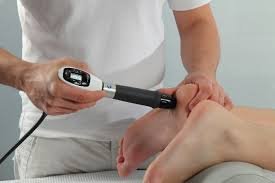
Shockwave Therapy Is Here — Recovery Just Got a Whole Lot Faster!
We’re excited to announce a breakthrough treatment now available in our office: Shockwave Therapy — a powerful new tool to help you recover faster, move better, and stay active. No, it’s not electricity. No it’s not painful. And yes, it actually works!
Shockwave Therapy Is Here — Recovery Just Got a Whole Lot Faster!
We’re excited to announce a breakthrough treatment now available in our office: Shockwave Therapy — a powerful new tool to help you recover faster, move better, and stay active.
No, it’s not electricity. No it’s not painful. And yes, it actually works!
Whether you’re dealing with a stubborn injury, an old ache that’s been hanging around, or you're simply looking to keep your body performing at its best, shockwave therapy can help.
It’s especially effective for:
Chronic tendon and muscle injuries
Knee, hip, and joint arthritis
Running-related overuse injuries
Slow-healing strains, sprains, and pain that just won't quit
And many more!
Even if your condition isn’t listed above, if pain, stiffness, or slower recovery is holding you back — this could be your next step forward.
How Shockwave Works:
Accelerates natural tissue healing
Reduces pain and inflammation without medications
Boosts strength, mobility, and resilience
Helps you avoid medications, injections, surgeries, and long downtimes
Appointments are already filling — lock in your spot today and experience what next-level recovery feels like.
This is the pro athlete recovery secret more everyday movers are now discovering, and chronic pain sufferers are rejoicing.
P.S. Wondering if shockwave is right for you? Just call the office — we're happy to guide you.
Mill Valley Marin San Francisco Shockwave Therapy Sports Injury
Is Your Recovery Plan Holding You Back? Here’s How to Fix It
Whether you’re training for a big race, hitting the gym consistently, or just a proud weekend warrior, recovery is the key to performing your best and staying injury-free. But what if your current recovery routine is actually slowing you down?
Whether you’re training for a big race, hitting the gym consistently, or just a proud weekend warrior, recovery is the key to performing your best and staying injury-free. But what if your current recovery routine is actually slowing you down?
Many athletes—both competitive and recreational—make the same common mistakes when it comes to recovery. A little stretching here, some foam rolling there, and an occasional rest day might not be enough to keep your body functioning at its best.
Are You Making These Recovery Mistakes?
Only stretching tight muscles - without addressing the underlying cause of tightness
Relying on passive recovery - just resting instead of active strategies that restore movement and function
Ignoring nervous system recovery - which affects energy levels, muscle function, and overall performance
Overlooking spinal and joint alignment - which can lead to inefficient movement and recurring stiffness
A Smarter Approach to Recovery for Every Athlete
Whether you're chasing personal records or just trying to stay active without pain, proper recovery should include:
✅ Active recovery – Low-impact movement, dynamic stretching, and stability work to maintain flexibility and prevent stiffness
✅ Nervous system reset – Deep breathing/meditation, contrast therapy, and mobility exercises to support full-body recovery
✅ Nutrition – Proper refueling should take place within 30-60 minutes after workouts and activity
✅ Soft tissue care – Foam rolling, mobility drills, and targeted myofascial release to reduce muscle tension and improve circulation
✅ Joint and spinal alignment – Chiropractic adjustments help restore proper movement patterns and prevent compensations
Still Feeling Tight, Sore, or Fatigued?
If you’re doing all the right things but still feeling stiff or run down, it may be time to reassess your recovery plan. A quick movement check can help identify areas of restriction, imbalance, or dysfunction before they lead to injury.
Don’t let poor recovery hold you back from performing and feeling your best—whether that’s on race day or during your weekend workouts. If you’d like to fine-tune your recovery strategy, reply to this email or book a check-in today.
Stay strong and move well!
Treatment Packages Now Available!
We heard you loud and clear - so we’re making it official. Due to high demand, treatment packages are now available, giving you the care you need while making it easier to stay on track with your treatments.
We heard you loud and clear - so we’re making it official. Due to high demand, treatment packages are now available, giving you the care you need while making it easier to stay on track with your treatments.
Lock in Your Savings Today!
6 - Visit Package – Save $30
12 - Visit Package – Save $120
But don’t wait - this special offer expires on 3/7/25!
Your body deserves consistency, so don’t miss out - secure your package today and stay ahead of pain before it slows you down.
Call Today For More Information or To Book Your Package Now!
(415) 755-1255
See you in the office!
*some restrictions apply, inquire for details

The Hidden Impact of Old Injuries: Why Your Body Still Remembers
If you’ve ever had an injury—whether it was a sprained ankle, a pulled hamstring, or a lower back strain—you probably went through the usual recovery process: self-care, rehab, and, eventually, getting back to your sport. But what if that old injury is still affecting you, even years later, without you realizing it?
If you’ve ever had an injury—whether it was a sprained ankle, a pulled hamstring, or a lower back strain—you probably went through the usual recovery process: self-care, rehab, and, eventually, getting back to your sport. But what if that old injury is still affecting you, even years later, without you realizing it?
Many athletes assume that once the pain is gone, the problem is gone too. Unfortunately, that’s not always the case. Your body has an incredible ability to compensate for weakness or dysfunction, but those compensations can lead to imbalances, reduced performance, and even new injuries over time.
How Old Injuries Create New Problems
When you injure a muscle, joint, or ligament, your body doesn’t just heal the damaged tissue—it also adapts the way you move to avoid pain. This might include:
Shifting weight to the opposite side - favoring one leg after a knee injury
Limiting range of motion - a shoulder that never fully regains mobility after a strain
Over utilizing other muscles to compensate - low back tightness developing after an ankle injury
Even after the pain disappears, these altered movement patterns can remain, subtly affecting how you run, lift, or move. Over time, they create muscle imbalances, joint stress, limited fitness potential, and increased risk for new injuries.
Signs That an Old Injury Might Be Holding You Back
You might not feel pain in the injured area anymore, but here are some signs of caution that could indicate residual dysfunction:
Recurring tightness or stiffness that keeps coming back, despite stretching and mobility work
Asymmetry in strength or flexibility - one side always feels weaker or less mobile
Compensation patterns - favoring one side when squatting or running
Unexplained aches and pains that seem to move around or don’t have a clear cause
Lingering weakness or instability that affects performance in certain movements
If you recognize any of these, your body may still be compensating for an old injury—even if you don’t feel direct pain in that area anymore.
How to Reset Your Movement Patterns
The good news is that these issues can be corrected. Here’s where to start:
1. Reassess Your Movement
Take some time to check how you move. Are both sides of your body equally strong and mobile? Do certain movements feel awkward or restricted? Filming yourself performing squats, lunges, or running can reveal subtle compensations.
2. Focus on Mobility and Stability
Often, the key to overcoming an old injury isn’t just stretching—it’s improving mobility where you’re restricted and strengthening stabilizing muscles. Foam rolling, dynamic stretching, and targeted strength work can help rebalance your movement.
3. Address Spinal and Joint Restrictions
Joint restrictions caused by past injuries can subtly throw off your movement. We can assess whether restrictions in your spine or joints are contributing to compensations and help restore proper function.
4. Gradual Strength Rebuilding
If an old injury left you weaker on one side, it’s important to rebuild strength symmetrically. Unilateral exercises (single-leg or single-arm movements) can help even out imbalances and prevent future strain.
Don’t Let the Past Limit Your Future
Old injuries don’t have to define your performance today. By identifying and addressing these hidden compensations, you can move better, feel better, and reduce your risk of future setbacks.
If you’ve been dealing with recurring tightness, uneven movement, or unexplained discomfort, it may be worth getting a movement assessment to pinpoint any lingering issues. Correcting these imbalances now can set you up for better performance, faster recovery, and a lower risk of reinjury in the long run.
Need help identifying any old movement patterns that might be holding you back? Reach out for an assessment, and let’s get you moving 100% again!
Tips To Keep Healthy Through The Holidays
The holiday season is here, bringing festivities, travel, and often a break from regular routines. To help you stay physically healthy and keep up with your wellness goals, we’d like to share some tips for maintaining your physical health during this busy season.
The holiday season is here, bringing festivities, travel, and often a break from regular routines. To help you stay physically healthy and keep up with your wellness goals, we’d like to share some tips for maintaining your physical health during this busy season:
Stay Active: Even if your schedule is packed, try to incorporate movement each day. Short brisk walks, stretching, or quick workouts can help keep your body feeling strong and energized.
Mind Your Posture: Whether traveling, spending hours shopping, or sitting for holiday meals, maintaining good posture can prevent aches and discomfort. Simple posture checks and adjustments can make a big difference.
Stay Hydrated: With cooler temperatures, it’s easy to forget about hydration. Make sure to drink water regularly throughout the day.
Move and Stretch Regularly: Cold weather can make muscles feel tighter. Incorporating stretching or movement into your routine can help with flexibility and prevent stiffness.
Listen to Your Body: The season can be stressful, so remember to listen to your body. If you’re experiencing any pain or discomfort, consider scheduling an appointment with us to address any issues early.
At Mt Tam Sport & Spine, we’re here to support you through the season and beyond. Feel free to reach out to schedule a visit if you need a tune-up or guidance on staying active and pain-free.
If you would like to schedule an appointment or have any questions about our services, feel free to call the office at 415-755-1255 or click here to schedule.


9 Key Tips To Beat the Heat for Marin County Athletes
With summer temperatures soaring this week, it's essential for athletes in Marin County to plan appropriately for outdoor activities. High temperatures are common in the summer, and if you're scheduled for a sports camp, intense training sessions, or even recreational activities, preparing yourself is crucial. Here are some vital tips to stay safe and perform your best under the summer sun.
Prepare for Summer Training in Marin County
With summer temperatures soaring this week, it's essential for athletes in Marin County to plan appropriately for outdoor activities. High temperatures are common in the summer, and if you're scheduled for a sports camp, intense training sessions, or even recreational activities, preparing yourself is crucial. Here are some vital tips to stay safe and perform your best under the summer sun:
Acclimatization: Gradually introduce your body to warmer temperatures. This process helps your body adjust and function optimally, reducing the risk of heat-related issues like heat exhaustion, heat cramps, and heatstroke. Begin acclimatization about two weeks before your training camp by gradually increasing your exposure to the heat. During this period, you'll experience several physiological adaptations, including a decreased heart rate, increased plasma volume, and improved sweat efficiency.
Hydration: Staying hydrated is paramount. Depending on your age, gender, individual physiology, and environmental factors, you should drink a minimum of 80-120 ounces of fluids each day. Water is usually the best option, but including electrolytes drinks during hot activities can also help. Proper hydration practices include drinking 17-20 oz of fluids three hours prior to activity and 7-10 oz every 10-20 minutes during activity. Dehydration impairs physiological function and increases the risk of heat illness. Remember, a 3% decrease in water loss can put you at risk for exertional heat illness.
Avoid Mid-Day Training: To avoid the peak heat, train early in the morning or later in the evening. Late-morning to mid-afternoon sun is the hottest, and training during these times increases your risk of heat gain and decreases your ability to lose heat through the skin. Cooler temperatures and less intense sun rays during the early or late hours will help you stay safe.
Warrior Mentality: While pushing your limits is essential, ensure your body is adequately adapted to the heat first. Gradually increase the intensity of your training during the acclimatization process. Allow for proper rest times to let your body recover and adapt. Once adapted, you can safely push your limits while following safe practices.
Fitness: Maintaining a high level of fitness is one of the best ways to protect yourself against the effects of heat. A well-conditioned body adapts more efficiently to high temperatures, reducing the risk of heat-related illnesses. Regular cardiovascular exercise improves your heart's ability to pump blood, enhancing circulation and cooling your body more effectively. Strength training builds muscle, which helps in better heat distribution and regulation. Additionally, a fit body has a higher sweat rate and improved sweat composition, aiding in cooling. By staying fit, you increase your overall resilience, allowing you to train safely and effectively even in the summer heat.
Sleep: Adequate sleep is crucial as it affects your body’s temperature control. The part of the brain that controls sleep also regulates your body's thermostat. Lack of sleep can impair temperature control and recovery, hindering your performance. Ensure you get enough rest to perform at your peak.
Sports Sunscreen: Protect your skin with a broad-spectrum, water-resistant sunscreen of SPF 30 or higher. Apply generously 15-30 minutes before outdoor activities, and reapply every two hours or after sweating or swimming. Focus on commonly missed spots like the ears, neck, feet, and scalp, and ensure your sunscreen is not expired for maximum effectiveness.
Seek Professional Help: If you're dealing with pain, strains, or other injuries, have them checked out at Mt Tam Sport & Spine to ensure you're in top shape for your summer activities. Click here to schedule online.
Stay Safe and Perform at Your Best: Taking the heat seriously is crucial to perform your best this summer. Ease into high temperatures, hydrate efficiently, and get enough rest. For more tips and detailed guidance, book an appointment today.
Stay safe, stay hydrated, and enjoy your summer training!
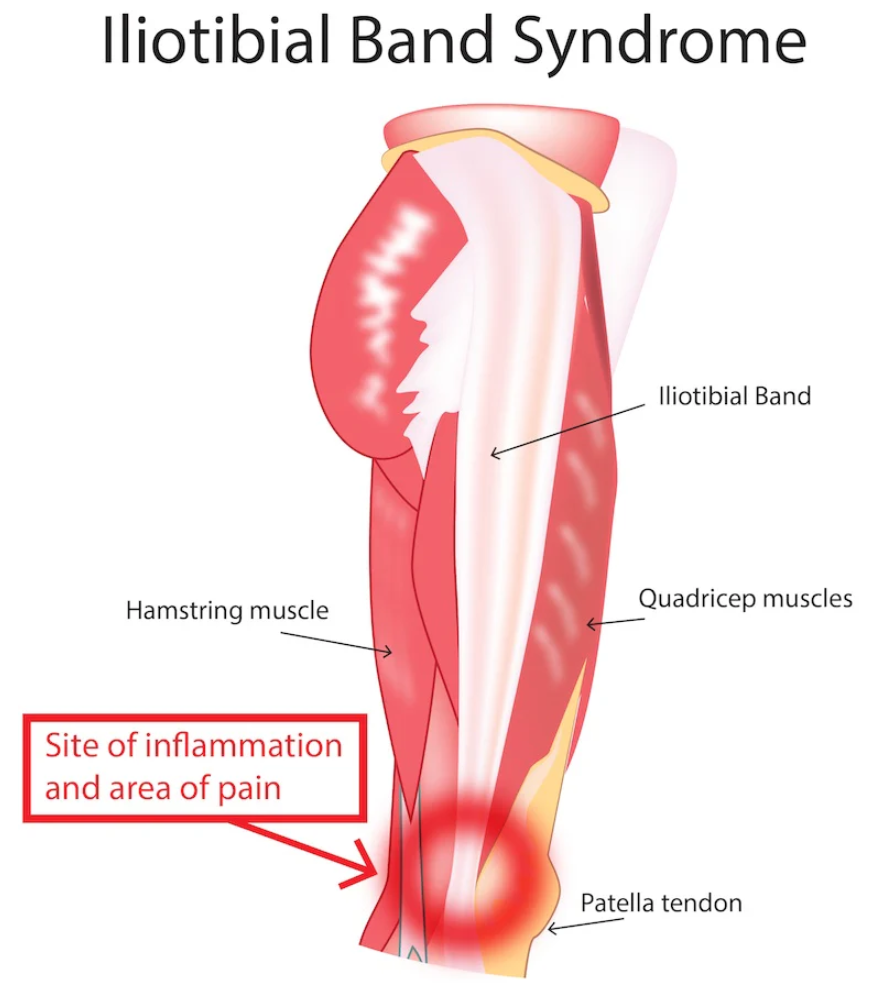
WHAT IS ILIOTIBIAL BAND (ITB) SYNDROME?
ITB syndrome is a common injury in endurance athletes, but it can also be seen in other sporting populations. Prevention starts with good biomechanics and proper core stabilization. Once injured, athletes can effectively be treated with specific soft tissue techniques, chiropractic manipulation, and exercise rehabilitation.
Iliotibial band (ITB) syndrome is the most common cause of outer knee pain among athletes. (M. Fredericson. Practical Management of Iliotibial Band Friction Syndrome in Runners. Clin J Sport Med: May 2006 - Vol 16 (3) p 261-8) It develops as a non-traumatic, gradual increase of pain that is within the category of overuse syndromes/injuries. This condition is usually seen in runners and cyclists, but athletes of other sports can be affected as well. In ITB syndrome, pain in the outer knee is felt with foot contact in runners and as the knee extends (straightens) in cyclists. ITB syndrome is also seen in athletes who participate in tennis, soccer, volleyball, and skiing.
ANATOMY OF THE IT BAND
Anatomically, the ITB is an extension of the Gluteus Maximus (GMax) and Tensor Fascia Lata (TFL) muscles of the hip. (See image below) These muscles join together in a Y-formation just below the pelvis and continue down the outer thigh to attach just below the knee joint to a site on the Tibia (shin bone) called Gerdy’s Tubercle. The function of the ITB is to provide stability to the thigh and knee joint.
EVALUATION OF ITB SYNDROME
The evaluation of ITB Syndrome begins with an injury history of the athlete and standard biomechanical and orthopedic evaluation. Common findings include poor control/stability of the outer hip stabilizers (primarily Gluteus Medius), core musculature, and/or over pronation of the foot. Pain can often be elicited by pressing along the outer knee along the course of the ITB, but otherwise there are no specific problems detected at the knee.
When the Gluteus Medius is weak or inhibited, it does not keep the pelvis level with impact and/or loading such as during stance phase while running or pedaling while cycling. This allows the pelvis to dip on the opposite side. The body's response to this is to contract other muscles to compensate - in this case the GMax and TFL which end up tightening the ITB. As tension within the ITB increases, it puts pressure on the structures of the outer knee and causes pain. Also tied in with Gluteus Medius stability is muscular control of the core.
Muscular control of the core involves all of the muscles that wrap around the midsection of the body and extend down to the hips. When they contract they have a bracing affect.
To visualize this, think about how you would tighten your stomach muscles if you were to hit a tennis ball, throw a baseball, or cough. You should notice that muscles contract in a ring-like formation around your mid-section. Overpronation of the foot, as mentioned above, also ties into lower extremity biomechanics. Pronation is a normal phase of gait which allows the foot to conform to the ground as it contacts it during foot strike. Overpronation occurs when the foot rolls in too far in an uncontrolled way during foot strike.
TREATMENT OF ITB SYNDROME
As with most approaches in sports medicine, the treatment of ITB is individual and multifaceted. Treatment begins with symptomatic relief of the pain. This can be achieved with icing the knee to decrease pain and inflammation. Gel ice packs designed for sports injuries are the best and should be applied over top of a moist paper towel barrier. Ice no longer than 15 minutes per hour and remove the ice if it becomes too painful or once the area becomes numb. Icing should be limited to the initial phases of injury, as it’s use can prolong tissue healing.
The next aspect of treatment involves addressing soft tissue restrictions within the muscles, tendons. This is achieved by a number of soft tissue techniques such as Dynamic Motion Therapy (DMT), myofascial realease therapy, and instrument assisted soft tissue mobilization therapy (IASTM).
The goal of these therapies is to release excessive tension, scar tissue, and adhesions. When these restrictions are present in the soft tissue structures, they can cause pain as well as mechanically restrict motion patterns. Chiropractic manipulation and mobilization of the low back and pelvis has also shown to be effective to address pelvic rotations that result from muscle imbalance. Foot stabilization must also be addressed if that is a contributing issue. A running gait analysis is utilized to address biomechanical imbalances, determine shoe prescription, and it one aspect to determine the need for orthotics.
The final component of ITB Syndrome treatment involves exercise rehabilitation to restore the normal biomechanical stabilization. This helps to correct biomechanical imbalances and in doing so you will not only decrease your risk for injury but also improve your overall efficiency.
CONCLUSION
ITB syndrome is a common injury in endurance athletes, but it can also be seen in other sporting populations. Prevention starts with good biomechanics and proper core stabilization. Once injured, athletes can effectively be treated with specific soft tissue techniques, chiropractic manipulation, and exercise rehabilitation.
🤸♂️ Move More In 2024 - Elevate Your Year: A Journey to Health and Longevity 🤸♂️
In the heart of the San Francisco Bay Area, where the iconic Golden Gate Bridge, Marin Headlands, and Mt Tamalpais frame the skyline, there lies an untapped reservoir of vitality waiting to be unleashed.
In the heart of the San Francisco Bay Area, where the iconic Golden Gate Bridge, Marin Headlands, and Mt Tamalpais frame the skyline, there lies an untapped reservoir of vitality waiting to be unleashed. As we stand on the precipice of a new year, it's time to reflect on the choices that shape our well-being. Imagine a year where each step you take is a stride towards a healthier, more invigorated version of yourself. Let's embark on a journey of movement, not just as a resolution but as a commitment to our health and longevity.

The Power of Movement:
According to recent statistics from the National Institutes of Health (NIH), incorporating regular physical activity into your routine significantly contributes to overall health and longevity/healthspan. In the Bay Area, where outdoor enthusiasts thrive, the opportunities for movement are boundless. Whether it's running along the picturesque trails of Marin County or cycling through the redwoods, our region provides a playground for the active soul.
Unveiling the Numbers:
Research from the American Heart Association highlights that just 150 minutes of moderate-intensity exercise per week can reduce the risk of chronic diseases. In a region where healthy living is a cultural norm, achieving this target becomes a fulfilling endeavor. Moreover, the Centers for Disease Control and Prevention (CDC) emphasize that regular physical activity can enhance mental well-being, a crucial aspect of navigating the demanding lifestyle of the Bay Area.
Nurturing the Active Spirit:
As we set our sights on being more active, it's essential to address the potential hurdles. Musculoskeletal injuries can sometimes be an unwelcome companion on our journey. This is where Mt Tam Sport & Spine comes into play. With a commitment to supporting our active community, our expertise in addressing musculoskeletal injuries ensures that setbacks don't become roadblocks.
Mt Tam Sport & Spine: A Beacon of Wellness:
Mt Tam Sport & Spine, nestled in the heart of Marin County, understands the unique needs of the active individuals in the Bay Area. Our holistic approach to musculoskeletal care encompasses not only treatment but also prevention. Through personalized rehabilitation plans and expert guidance, we empower individuals to overcome injuries and continue their pursuit of an active lifestyle.
As we stand at the intersection of the old and the new, let's seize the opportunity to prioritize our health and longevity. The Bay Area, with its breathtaking landscapes and a community that thrives on an active lifestyle, offers the perfect canvas for this transformative journey. Remember, every step, every stretch, and every moment of movement contributes to a healthier, more vibrant you. So, as we usher in the new year, ask yourself: How will you move towards a more active, fulfilling life?
Call today to move better: 415-755-1255
😴 Can You Sleep Your Way To Better Health And Performance 😴
Sleep hygiene is a crucial component of both overall health and athletic performance, yet it is often overlooked by many. Proper sleep hygiene involves a set of habits and practices that are designed to promote restful, high-quality sleep.
Sleep hygiene is a crucial component of both overall health and athletic performance, yet it is often overlooked by many. Proper sleep hygiene involves a set of habits and practices that are designed to promote restful, high-quality sleep. Sleep has been called the least expensive yet most effective performance enhancing tool. Here we explore the importance of sleep hygiene and provide a checklist of habits you can adopt to improve your sleep routine.

Sleep hygiene is the set of habits and practices that help you get a good night's sleep. Good sleep hygiene can improve your physical, cognitive, and mental health, reduce stress, and enhance your athletic performance. Sleep is essential for muscle recovery and repair. During sleep, the body releases hormones which are critical for building and repairing muscle tissue. Additionally, sleep helps to regulate the body's immune system, reducing the risk of illness or injury.
8 key steps to optimize your sleep hygiene:
Develop a bedtime routine: Establish a relaxing routine 30-60 minutes before bed, such as taking a warm bath or reading a book, to help your body unwind.
Stick to a regular sleep schedule: Go to bed and wake up at the same time every day, even on weekends.
Create a sleep-conducive environment: Make your bedroom dark, cool, and quiet. Use blackout curtains, earplugs, or white noise machines if necessary.
Avoid or decrease caffeine and alcohol: Caffeine and alcohol can disrupt your sleep cycle and decrease the quality of your sleep.
Limit screen time before bed: The blue light emitted by screens can interfere with your body's production of melatonin, making it harder to fall asleep.
Avoid heavy meals before bed: Eating a heavy meal before bedtime can disrupt your sleep and cause digestive discomfort.
Get regular exercise: Regular physical activity can improve the quality of your sleep and reduce stress.
Practice stress reduction techniques. Meditation, deep breathing, and yoga can all help to reduce stress and promote relaxation.
Proper sleep hygiene is essential for health and performance. By prioritizing sleep and adopting healthy sleep habits, you can improve your muscle recovery, cognitive function, and reaction time Follow the checklist above to improve your sleep hygiene and make sleep a top priority in your training regimen.

Don't Be a Red Light Runner: Understanding the Stoplight System for Exercise Injuries
As an athlete and active individual, it's important to understand the stoplight system of injury. This system helps you determine when it's safe to continue activity, when you should stop, and when you need to seek professional attention.
As an athlete and active individual, it's important to understand the stoplight system of injury. This system helps you determine when it's safe to continue activity, when you should stop, and when you need to seek professional attention. By using this system, you can better protect yourself from further injury and ensure that you are able to train effectively without risking your health.
The stoplight system of injury is a simple, yet effective way to assess the severity of an injury and determine the appropriate course of action. Similar to a traffic light, this system uses three colors to represent different levels of injury: green, yellow, and red.

Stoplight System Of Injuries
Green: This means you have no injury symptoms can continue activity.
Yellow: You have mild to low level moderate symptoms. This is an acceptable range but means you should take note and proceed with caution. In the yellow range you are still able to move as you normally would, and you are not compensating or favoring any movements. If you experience mild discomfort or soreness, it is generally acceptable to continue training. You may have post activity symptoms but they will resolve within 24 hours after exercise.
Red: You have moderate to severe symptoms or higher, worsening symptoms, are compensating in your movement patterns, and/or at risk for worsening injury. This type of pain or may indicate a more serious injury. This means you should stop training immediately and seek professional attention.
It's important to note that the stoplight system of injury is a general guideline and is not a substitute for professional advice. If you experience any pain or discomfort that worsens or doesn’t resolve with a day of rest or self care, it's always best to consult with a professional. At Mt Tam Sport & Spine we can assess the injury and determine the appropriate course of action.
In conclusion, the stoplight system of injury is a valuable tool for athletes. By using this system, you can better assess the severity of an injury and determine the appropriate course of action. Don’t be a “Red Light Runner” and continue activity when symptoms are worsening or you are moving differently. Challenge yourself and enjoy the adventure, but remember to pay attention to your body, seek professional attention if necessary, and always prioritize your health and safety.
Contact us if you have an injury or symptoms that aren’t resolving or if you have any questions if you should continue activity.
Don't Let An Injury Hamstring Your Exercise And Workouts
Are you tired of struggling with hamstring injuries every time you go for a run? As a runner, you know that hamstring injuries can be one of the most frustrating and debilitating injuries you can experience.
Are you tired of struggling with hamstring injuries every time you go for a run? As a runner, you know that hamstring injuries can be one of the most frustrating and debilitating injuries you can experience. They can significantly affect your performance, making it difficult to reach your full potential. Fortunately, we have the solution!

Hamstring injuries are among the most common injuries experienced by runners. They can be caused by a variety of factors, including overuse, poor running form, muscle imbalances, and too fast of a build. If not properly treated, hamstring injuries can lead to chronic pain and prolonged downtime from running.
Here are three tips for self-treatment you can try before seeking care:
Rest: If you experience a hamstring injury, give it 24 hours before testing it. Avoid aggravating activies, but you don’t need to be sedentary.
Foam Rolling or Lacrosse Ball: Foam rolling and lacrosse ball mobility can help to loosen tight muscles and increase blood flow to the affected area. Try rolling your hips and hamstrings with a foam roller to alleviate pain. Keep it within tolerance and don’t be too aggressive.
Massage Gun: A massage gun such as a Hypervolt or Theragun can be helpful for loosening muscular restrictions. If it’s too intense try lightening the pressure so the attachment gently contacts your body. As before, don’t exceed tolerance. Harder isn’t necessarily better.
If you’re unsure, still have pain, or symptoms are worsening, that's where Mt Tam Sport & Spine comes in. We are trained to identify the root cause of your hamstring injury and develop a treatment plan that addresses your specific needs. We use a combination of techniques, including joint adjustments, soft tissue mobilization, and rehabilitative exercises, to alleviate pain, restore function, and improve movement.
At our clinic, we understand the unique needs of athletes and active individuals. We work with athletes of all levels, from beginners to elite athletes, and we're committed to helping you achieve YOUR goals. Our goal is to not only help you recover from your injury but to also provide you with the tools and education you need to prevent future injuries.
Don't let musculoskeletal injuries keep you from reaching your full potential. Contact us today to schedule an appointment and take the first step towards a pain-free and enjoyable running experience.
Run healthy,
Mt Tam Sport & Spine
Call - 415-755-1255
Schedule online - https://www.mttamsportspine.com/scheduling

Your Body is Designed to Move
Your body is built to move. Every spinal disc and joint is designed to help you sit, stand, run and well…move! Your discs are soft enough to flex as you bend forward and back. The spinal facet joints slide as your turn and twist.
Bottom Line:
Your body is built to move. Every spinal disc and joint is designed to help you sit, stand, run and well…move! Your discs are soft enough to flex as you bend forward and back. The spinal facet joints slide as your turn and twist. The ligament-connected spinal bones keep you supported as your muscles push and pull. It’s an incredibly strong and resilient system when you stop and think about it!
Why it Matters:
New research has started to give us a glimpse at just how important movement is in our life. For example, movement of the spine has been shown to stimulate and accelerate the healing process. In fact, movement is so crucial in the healing process that even people who have spine surgery are encouraged to get up and to move as quickly as possible after surgery.
All the bones, muscles, ligaments and joints of your spine are specially designed to support movement.
Movement of the individual segments of your spine can affect how you heal.
Blood flow, strength, and flexibility are all enhanced through movement.
Next Steps:
We believe that encouraging healthy movement and activity is part of our job as your Movement Team. If you have any questions about stretches, exercises or other ways you can pro-actively stay healthy, please ask and we are happy to help you! Have you ever heard that old saying “you don’t get old then stiff, you get stiff then old?” We want to help you stay young by helping you keep your spine and body moving better!
Science Source:
Comparative Clinical Effectiveness of Nonsurgical Treatment Methods in Patients With Lumbar Spinal Stenosis: A Randomized Clinical Trial. Physical Medicine & Rehabilitation 2019
chiropractor mill valley marin physical therapy sports medicine san francisco


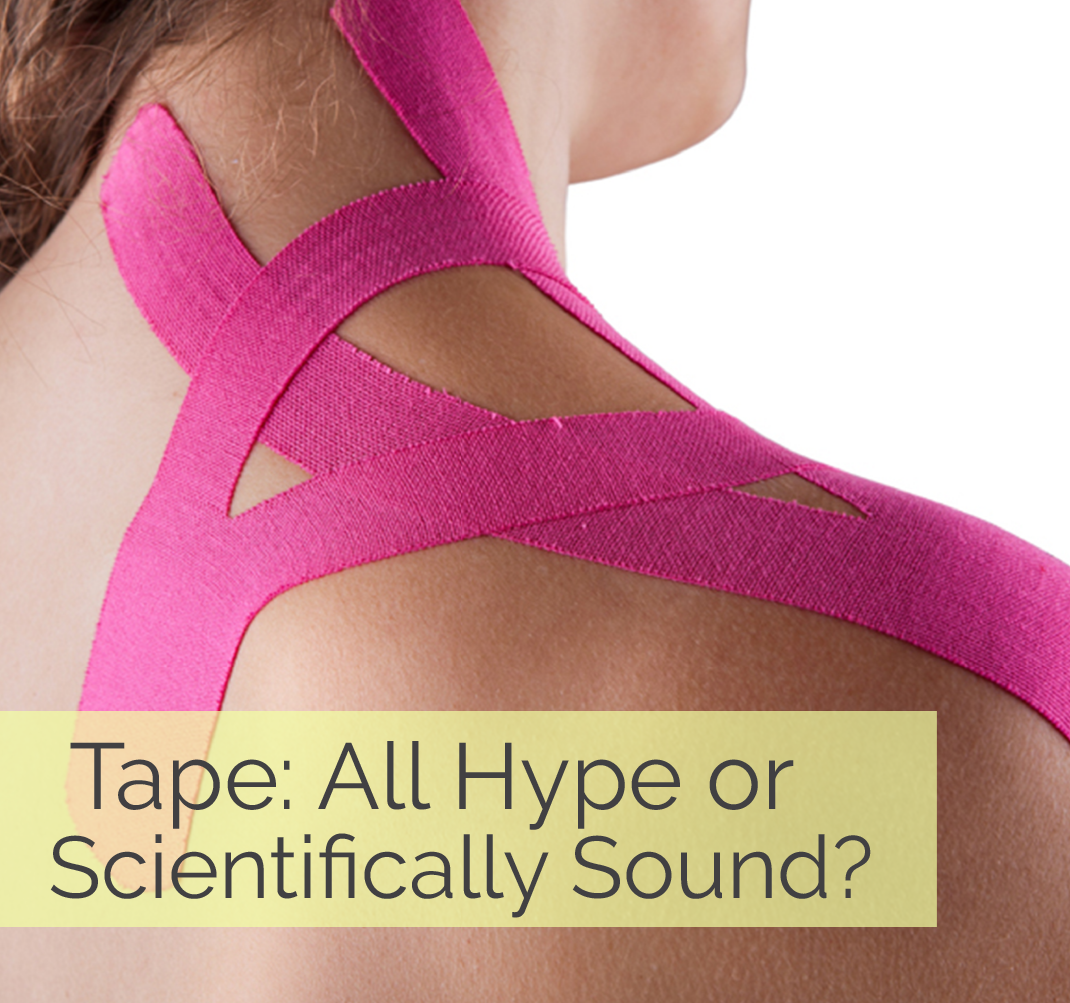
Kinesiology Tape: All Hype or Scientifically Sound?
Your skin is the largest organ in your body, and it’s loaded with small sensory nerve fibers that are responsible for proprioception. Placing tape on specific areas of your body across the skin provides sensory input that gives your brain more information as you move.
Bottom Line:
It’s difficult to find a single sporting event where you won’t see an athlete wearing colorful tape somewhere on their body. You may have wondered what it is, and more importantly what it’s used for. The tape is called kinesiology tape and was initially developed by a Chiropractor Kenzo Kase about 40 years ago. It works by stimulating proprioception, which is the medical term for knowing where your body is in space.
Why it Matters:
Your skin is the largest organ in your body, and it’s loaded with small sensory nerve fibers that are responsible for proprioception. Placing tape on specific areas of your body across the skin provides sensory input that gives your brain more information as you move. This additional information has been shown to help improve balance, reduce pain, and support proper movement patterns.
Tape worn on the skin provides your brain with more information about your movement patterns and can help reduce injuries and improve rehabilitation.
Taping has been shown to improve balance for up to 72 hours after the tape has been removed.
Researchers have found taping can be more effective than postural exercises alone to reduce neck pain.
Next Steps:
You can think of the tape less like a brace and more like a nervous system reminder that you wear on your skin. Not only does it look cool, but it has the potential to support better movement, reduce pain, and limit injuries. Now the next time you see an athlete wearing tape, you will know it’s more than just a fashion statement!
References:
Extended use of Kinesiology Tape and Balance in Participants with Chronic Ankle Instability. Journal of Athletic Training 2016
Efficacy of kinesio taping versus postural correction exercises on pain intensity and axioscapular muscles activation in mechanical neck dysfunction: a randomized blinded clinical trial. The Journal of Sports Medicine and Physical Fitness 2017
sports chiropractor chiropractic physiotherapy mill valley marin

Why Do Athletes Need a Chiropractor?
Preparing, training and competing all collectively make taking part in your sport of choice so much fun. However, the common motions in many popular sports can place a tremendous amount of stress on your body…
Why Do Athletes Need a Chiropractor?
Bottom Line:
Preparing, training, and competing all collectively make taking part in your sport of choice so much fun. However, the common motions in many popular sports can place a tremendous amount of stress on your body’s structures. While your body is incredibly strong and resilient, it’s important to give your muscles and joints time for rest and recovery. As Sports Chiropractors, we are uniquely trained to assist athletes in preparing for and recovering from the demands of competition. We understand that the stress of training is different from your needs during recovery and we can help you stay on track.
Why it Matters:
As an athlete, you're pushing and challenging your body to improve your performance. When you're training, we can help you stay on track by using treatment techniques that can improve your range of motion while decreasing your stiffness. During your recovery, we use additional techniques that can help with tissue repair, inflammation reduction, and accelerating the recovery process.
Researchers have found spinal stiffness increases during bouts of back pain.
Techniques intended to target soft tissue can help break down nagging scar tissue.
Improving range of motion in joints can help better facilitate the healing process.
Next Steps:
Now, you don’t need to be an Olympic athlete to enjoy the benefits of our care. We've taken the most effective and impactful techniques and put them together in a way that active, soon-to be, and retired athletes can utilize. Whatever your health goals, we want to be a part of the team that keeps you off the sidelines and actively enjoying the game of life. Schedule your next treatment with us today!
Does experimental low back pain change posteroanterior lumbar spinal stiffness and trunk muscle activity? A randomized crossover study. Clinical Biomechanics 2016. The Graston Technique: An Instrument Assisted Soft Tissue Manual Therapy for Back Pain. Spine-Health 2013.

The Healthcare “Secret” of Pro Athletes
Entering the arena of professional sports comes with high stakes. The slightest advantage can make all the difference between coming out on top or coming up short while competing.
Bottom Line:
Entering the arena of professional sports comes with high stakes. The slightest advantage can make all the difference between coming out on top or coming up short while competing. As a result, most highlevel athletes are in tune with every nuance of their body and on the constant hunt to find ways to improve their performance. It might surprise you to learn that many athletes have been using Chiropractic for decades. From Babe Ruth to Tom Brady, top athletes rely on Chiropractic care as one of the “secret” ingredients to their success.
Why it Matters:
Whether we compete at the professional level or casually, it's likely that all of us are interested in achieving decreased pain, improved function, and increased strength. And new research indicates that Chiropractic care may be able to help in all three of those areas.
In a recent study, athletes demonstrated increased levels of strength up to 30 minutes after receiving an adjustment.
Chiropractic adjustments have been shown to provide more pain relief than a commonly prescribed NSAID.
People with moderate or severe pain have reported significant functional improvement while receiving Chiropractic care.
Next Steps:
Even if you aren’t currently competing to win a world championship, you probably have a few healthcare goals in mind. Maybe you're a weekend warrior, or constantly traveling for youth sports, or just looking to enjoy a higher quality of life. The point is, Chiropractic care may be just what you're looking for, to achieve your goals and we would love become part of your “secret” to success. Chat with us today about your goals, and together, let's come up with a plan that works for you!
The effects of a single session of spinal manipulation on strength and cortical drive in athletes. European Journal of Applied Physiology 2018


UltraRunner Podcast Interview
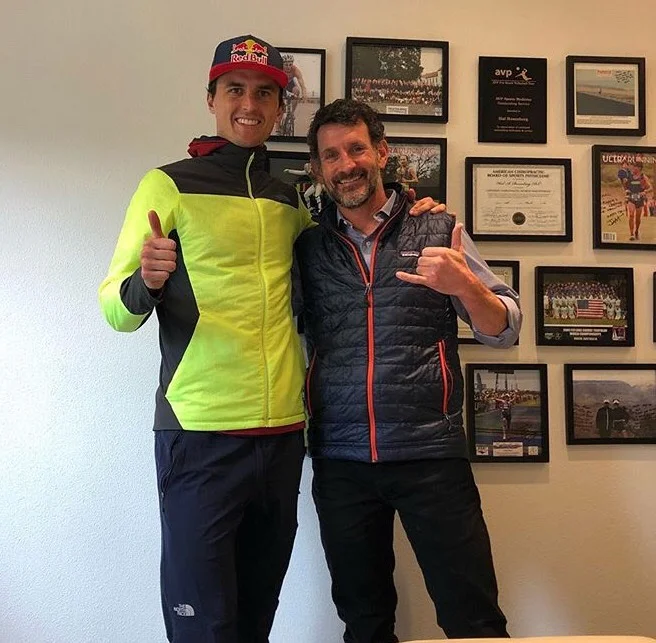
Dr. Hal Rosenberg has lived and run in the trail meccas of Boulder and Flagstaff and currently lives and practices in the running hotbed of Mill Valley, California. He’s an experienced MUT runner, cyclist, and triathlete, who also happens to treat some of the top ultra trail runners in the country.
Dr. Hal Rosenberg | When and Why to See a Sports Chiropractor
https://ultrarunnerpodcast.com/dr-hal-rosenberg-sports-chiropractor/
Dr. Hal Rosenberg has lived and run in the trail meccas of Boulder and Flagstaff and currently lives and practices in the running hotbed of Mill Valley, California. He’s an experienced MUT runner, cyclist, and triathlete, who also happens to treat some of the top ultra trail runners in the country.
We start the discussion by hearing about Hal’s experience in outdoor endurance sports and his recent run at Black Canyon 100k, then jump into a discussion about sports chiropractors.
In this interview, I recount my experience with chiropractors, then Hal details the when and why to see a sports chiropractor. What can chiropractors do to keep you healthy, fine-tune your stride, and ultimately, help you fix your body if you’ve pushed too hard. I learn that they’re not just for backs, but for all around health and wellness.
We talk about the symptoms and signs that it’s time to seek professional help, and what you can do at home to stay on top of your game. He talks about injuries caused by ill-fitting hydration packs, how and when to use active recovery, and why Graston (and similar techniques) work so well.
The Run Experience - Achilles Injury Interview
Hey guys, Coach Nate here. Treating my achilles injury has been a PROCESS. Not unlike what many of you have gone through. Check out part 1 of my story here!
Treating My Achilles Injury [Part 1] - THIS WORKS!
Hey guys, Coach Nate here. Treating my achilles injury has been a PROCESS. Not unlike what many of you have gone through. Check out part 1 of my story here!

Avoid These Mistakes With Barefoot Runing
Are you thinking about throwing away your running shoes? Are you excited about the prospect of going primal and feeling the earth beneath your feet as you run? Many coaches and athletes claim barefoot running can improve your efficiency and prevent injury. Well, it can—but only if you do it right!
FEATURED ON COMPETITOR: AVOID THESE MISTAKES WITH BAREFOOT RUNNING!
https://running.competitor.com/2014/05/training/avoid-barefoot-running-mistakes_102680
Don’t try to do too much, too soon when switching over to minimalist or barefoot running.
Are you thinking about throwing away your running shoes? Are you excited about the prospect of going primal and feeling the earth beneath your feet as you run? Many coaches and athletes claim barefoot running can improve your efficiency and prevent injury. Well, it can—but only if you do it right!
In this video, San Francisco-based sports chiropractor Dr. Hal Rosenberg shares some of his most important tips for runners looking to try barefoot or minimalist running.
1. Avoid The Wholesale Switch
If you have been running in shoes most of your life and one day decide to ditch them, there’s a good chance you’ll get injured. According to Rosenberg, the biggest mistake many wanna-be barefoot runners make is quickly transitioning from shoes to no shoes. A more sound strategy is to ease into it instead. Start with some shorter runs and then add mileage as your feet slowly adapt to new stress. Better yet, spend more time barefoot at home and in minimalist shoes while running errands. Your feet will get stronger while you’re just going about your day.
2. Read The Signs
Our earliest ancestors probably didn’t run on hard concrete everyday. Nor did they spend their entire lives in cushioned shoes. It’s important to listen to your body. Be thoughtful of where you run and how you’re running. If you wake up with sore feet, heel pain or a tight Achilles, you’re probably moving too fast too soon or pounding too much concrete. Slow down your transition and spend more time on soft surfaces such as a grass field or a dirt trail.
3. There Is No Magic Pill
“Two thirds of your body weight is two thirds off the ground,” says Rosenberg, “So you better learn how to stabilize it!”
Switching to more minimalist running shoes (or to no shoes at all) will not perfect your running form by itself. Spend equal time developing your core strength, posture and cadence, and your transition to barefoot running will happen more naturally.